


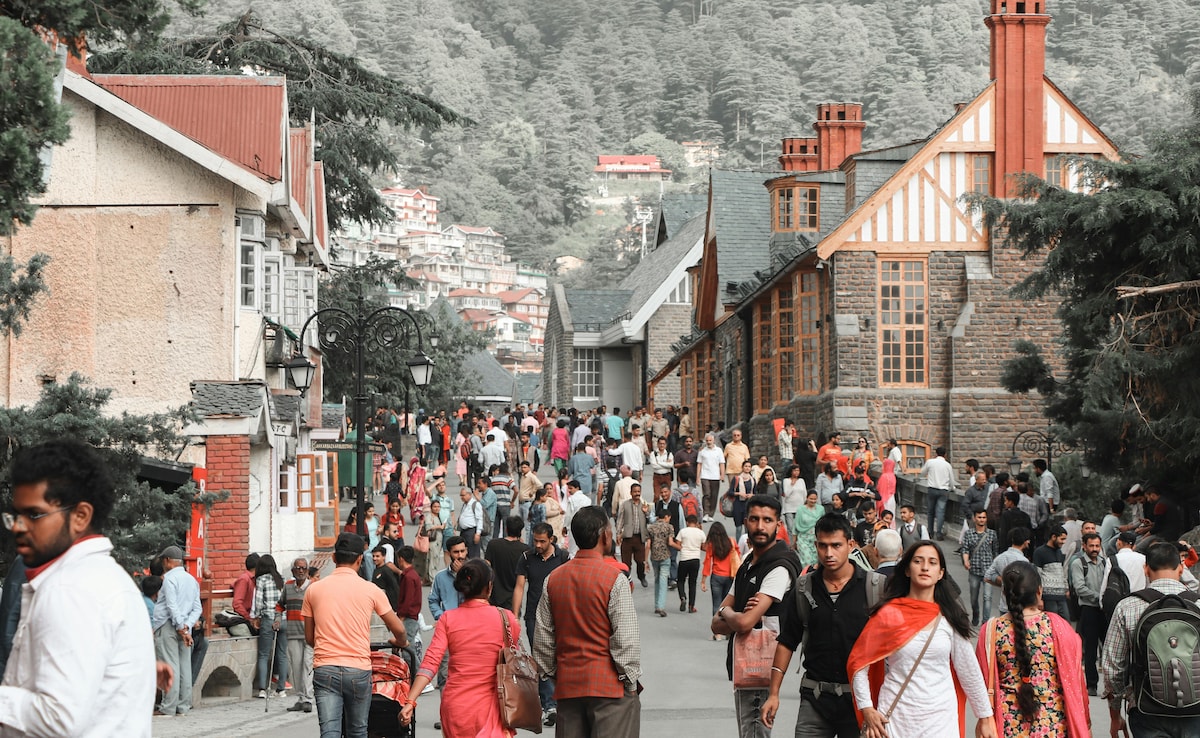


Whispers of Tranquility: Unwinding on the Path Less Traveled
In a world that often feels like a whirlwind of deadlines, notifications, and endless to-do lists, the idea of finding true tranquility can seem like a distant dream. Yet, tucked away in the quiet corners of the world are paths less traveled—places where the air is still, the sounds are soft, and time itself seems to slow down. These hidden gems offer more than just a break from the chaos; they provide a sanctuary for the soul, a chance to reconnect with nature and with ourselves. Whether it’s a secluded forest trail, a misty mountain meadow, or a sun-dappled coastline at dawn, these places hold the power to restore balance and peace. This is the story of how stepping off the beaten path can lead to moments of profound serenity and self-discovery.
Why Choose the Path Less Traveled?
The allure of the well-trodden trail is undeniable. Popular hiking routes and tourist hotspots offer convenience, amenities, and a sense of community among fellow adventurers. However, the magic often lies in the places that aren’t on the map—or at least not on the first page of the guidebook. Choosing the path less traveled isn’t just about avoiding crowds; it’s about embracing a different kind of experience entirely. Here’s why it matters:
- Authentic Connection with Nature: Less frequented trails often lead through untouched landscapes where wildlife thrives undisturbed. The absence of crowds allows for a deeper immersion in the natural world, where every rustle of leaves or distant birdcall feels like a personal invitation.
- Mental Reset: Studies have shown that spending time in quiet, natural environments reduces stress and anxiety. The path less traveled provides the space to think, reflect, and simply be, free from the pressures of daily life.
- Unexpected Discoveries: Without the guidance of a well-marked trail or the influence of reviews, you might stumble upon hidden waterfalls, ancient ruins, or panoramic vistas that few have witnessed. These moments of surprise and wonder become cherished memories.
- Personal Growth: Navigating unfamiliar terrain fosters resilience, adaptability, and confidence. The challenges met on the path less traveled often translate into valuable life lessons off the trail as well.
The Allure of Secluded Destinations
Some of the most tranquil spots in the world remain hidden due to their remoteness or the lack of infrastructure to accommodate large crowds. Yet, it’s precisely this remoteness that makes them so enchanting. Here are a few types of destinations that embody the essence of the path less traveled:
- Hidden Forests and Woodlands: Dense, ancient forests like the Black Forest in Germany or the Hoh Rain Forest in Washington State offer a sense of stepping into another world. The stillness between the trees, the scent of damp earth, and the dappled sunlight filtering through the canopy create an atmosphere of deep calm.
- Alpine Meadows and Mountain Trails: High-altitude paths, such as those in the Dolomites of Italy or the Scottish Highlands, lead to sweeping vistas that feel like the edge of the earth. The crisp mountain air and the sound of your own breath become the only sounds you need.
- Coastal Retreats: Quiet beaches and cliffside trails, like those in the Azores or the Outer Hebrides of Scotland, offer the soothing rhythm of waves and the vastness of the ocean. Walking these shores at sunrise or sunset feels like a private communion with the sea.
- Desert Oases: Vast, silent deserts like the Wadi Rum in Jordan or the Painted Desert in Arizona hold a unique kind of tranquility. The interplay of light and shadow, the silence broken only by the wind, and the stark beauty of the landscape invite deep introspection.
- Rural Villages and Countryside: Sometimes, the path less traveled isn’t a trail at all but a quiet village in the countryside. Places like the villages of the Cinque Terre in Italy or the rolling hills of Tuscany offer a slower pace of life, where time is measured in seasons rather than hours.
Preparing for the Journey
Venturing off the beaten path requires a bit more preparation than a weekend hike in a popular park. The key is to plan thoughtfully while leaving room for spontaneity. Here’s how to ensure your journey is both safe and rewarding:
- Research Thoroughly:
- Gather as much information as possible about the trail or destination. Look for recent trip reports, local forums, or guidebooks that detail conditions, challenges, and points of interest.
- Check weather forecasts and seasonal considerations. Some paths may be impassable during certain times of the year or require special gear.
- Learn about the local flora and fauna. Understanding what to expect can enhance your experience and keep you safe.
- Pack with Intention:
- Bring essentials like a map, compass, or GPS device—even if the trail seems straightforward. Technology can fail, and having a backup is crucial.
- Pack light but smart. A well-fitted backpack with hydration, snacks, and weather-appropriate clothing will make your journey more comfortable.
- Consider carrying a small first-aid kit, a multi-tool, and a whistle for emergencies. A lightweight emergency blanket can also be a lifesaver in unexpected situations.
- Leave No Trace:
- Tread lightly and respect the environment. Stay on designated paths to avoid damaging fragile ecosystems.
- Carry out all trash, including food scraps and biodegradable items. Even small traces can disrupt local wildlife.
- Be mindful of noise levels. The tranquility you seek is shared by the land and its inhabitants.
- Inform Others of Your Plans:
- Share your itinerary with a trusted friend or family member, including your expected return time and route details.
- If possible, check in with local park rangers or authorities to let them know you’ll be in the area. They can provide valuable insights and ensure your safety.
The Art of Slow Travel
Unwinding on the path less traveled isn’t just about the destination; it’s about the journey itself. Slow travel—taking the time to absorb your surroundings, engage with locals, and savor each moment—can transform a simple hike into a deeply meaningful experience. Here’s how to embrace the art of slow travel:
- Mindful Walking: Instead of rushing to reach a viewpoint, pause frequently to observe your surroundings. Notice the texture of tree bark, the scent of pine needles, or the play of light on a rock face. These small details are often the essence of tranquility.
- Engage with Locals: In remote areas, locals often hold the keys to hidden gems. Strike up conversations with shopkeepers, farmers, or fellow travelers. Their stories and recommendations can lead to unforgettable experiences.
- Practice Gratitude: Take a moment each day to reflect on what you’re grateful for. It could be the warmth of the sun on your skin, the sound of a babbling brook, or the simple joy of a meal shared under the stars. Gratitude shifts your focus from what’s lacking to what’s abundant.
- Disconnect to Reconnect: Consider leaving your phone behind or setting it to airplane mode for parts of your journey. The absence of constant notifications allows you to be fully present in the moment.
- Journal Your Experience: Write about your thoughts, feelings, and observations. Journaling not only captures memories but also helps process emotions and insights gained along the way.
Stories from the Path Less Traveled
Every journey on the path less traveled leaves a mark—not just on the landscape, but on the traveler. Here are a few real-life stories from people who found tranquility in unexpected places:
- The Silent Forest: Maria, a freelance writer from Spain, ventured into the Białowieża Forest in Poland, one of Europe’s last primeval forests. She expected to see wildlife but was unprepared for the profound silence. “It wasn’t just quiet,” she recalls. “It was as if the forest was holding its breath with me. I sat under a 500-year-old oak tree and cried—not from sadness, but from the sheer weight of the stillness.”
- The Desert’s Lesson: James, a corporate lawyer from New York, spent a week alone in Wadi Rum, Jordan. “I thought I needed to conquer the desert,” he says. “But it taught me to surrender. The vastness humbled me, and for the first time in years, I felt small—and that was okay.”
- The Village of Time: Clara, a retired teacher from Canada, spent a month in the village of Oia on the Greek island of Amorgos. “Everyone moves at the pace of the sun here,” she explains. “I joined the locals in their evening strolls to the harbor, and for the first time, I didn’t feel rushed to check off a list of sights. I just… existed.”
- The Misty Heights: Raj, an avid hiker from India, trekked the Annapurna Base Camp route in Nepal, avoiding the crowded main trail. “I reached a ridge where the clouds were so thick I couldn’t see my own hands,” he describes. “Then, suddenly, the mist parted, and there was the entire Annapurna range in front of me. I felt like I’d been given a glimpse of the divine.”
Bringing Tranquility Home
While the path less traveled offers a temporary escape from the noise of modern life, the real challenge is carrying that sense of peace back home. The goal isn’t to replicate the experience exactly but to integrate its lessons into your daily routine. Here’s how to nurture tranquility in your everyday life:
- Create a Sacred Space: Dedicate a corner of your home to mindfulness. It could be a windowsill with a plant, a cozy chair with a blanket, or a small altar with objects that bring you peace. Spend a few minutes each day in this space, breathing deeply and grounding yourself.
- Incorporate Nature: Even if you live in a city, bring elements of nature indoors. Open your windows to let in fresh air, keep a vase of flowers on your desk, or grow herbs on a windowsill. Nature has a way of calming the mind and lifting the spirit.
- Establish Rituals: Rituals create structure and meaning. Whether it’s a morning coffee ritual, an evening walk, or a weekly journaling session, these small acts can anchor you in the present moment.
- Practice Digital Detox: Set boundaries with technology. Designate tech-free hours, especially in the morning and before bed. Replace screen time with activities that nourish your soul, like reading, drawing, or simply sitting in silence.
- Cultivate Patience: Tranquility often comes from accepting what is, rather than striving for what could be. Practice patience in small, everyday moments—waiting in line, listening to a loved one, or simply observing the world around you without judgment.
Final Thoughts: The Gift of the Uncharted
The path less traveled is more than just a detour from the mainstream; it’s an invitation to rediscover the world—and yourself—in a way that’s raw, real, and deeply personal. These hidden trails remind us that tranquility isn’t found in the loudest or most crowded places, but in the quiet corners where the soul can breathe. Whether you’re standing atop a mountain peak, gazing at a star-filled sky, or simply sitting on a mossy log in a forest, the message is the same: peace is closer than you think. It’s waiting for you on the path less traveled.
So, the next time life feels overwhelming, consider stepping off the well-worn route. Pack light, leave room for wonder, and trust that the journey itself will unfold as it should. The whispers of tranquility are already there—all you have to do is listen.
More Stories
Revive, Recharge, Reconnect: Secluded Escape Routes to Inner Peace
Serene Escapes: Your Guide to Blissful Peaceful Getaways
Journeys to Inner Peace: Discovering Tranquility in Every Travel Destination