


The Modern Paradox: Finding Leisure in a Hectic World
In an era where productivity is worshipped and schedules are packed to the brim, the idea of leisure travel might seem like a distant luxury. Yet, it is precisely in these hectic times that the art of purposeful wandering becomes not just a treat, but a necessity. Leisure travel, often dismissed as mere escapism, is in fact a profound act of reclaiming one’s time and attention—an intentional pause in the relentless rhythm of modern life. It is not about fleeing from reality, but about engaging with it more meaningfully, even if only for a brief interlude. The challenge lies in carving out these moments without guilt, without the nagging sense that relaxation is a frivolous indulgence in a world that values constant output.
This paradox is where the magic of leisure travel begins. It asks us to reconsider our relationship with time: not as something to be optimized, but as something to be savored. It invites us to step away from the noise, even temporarily, and rediscover the world—and ourselves—through the lens of curiosity rather than urgency. But how do we reconcile the demands of a fast-paced life with the slow, deliberate pace of travel for joy? The answer lies in intentionality, strategy, and a shift in perspective.
The Philosophy of Leisure Travel: More Than Just a Break
Leisure travel, at its core, is an act of rebellion against the cult of busyness. It challenges the notion that worth is measured in productivity and that rest must always serve a greater purpose. Unlike business travel, which is tethered to goals and outcomes, leisure travel is unbounded. It is exploration for the sake of wonder, connection for the sake of presence, and rest for the sake of renewal. This philosophy is not new; it has roots in ancient traditions where travel was seen as a path to wisdom, a way to expand one’s understanding of the world and one’s place within it.
In the 21st century, this philosophy takes on renewed significance. Amidst digital distractions and the pressure to curate perfect lives on social media, leisure travel offers a counter-narrative: a chance to live unscripted, to wander without an agenda, and to embrace the unexpected. It is an opportunity to slow down, to observe, and to listen—to the rustle of leaves in a foreign forest, the cadence of a language you don’t fully understand, or the laughter of strangers who become friends over shared meals. In this way, leisure travel becomes more than a vacation; it becomes a practice in mindfulness, a way to recalibrate one’s senses and priorities.
The Restorative Power of Disconnection
One of the most underrated gifts of leisure travel is the permission it grants to disconnect. In a world where notifications vie for our attention and the fear of missing out (FOMO) looms large, stepping off the grid—even for a few days—can feel revolutionary. This disconnection is not about deprivation; it is about recalibration. Without the constant ping of emails or the mental clutter of to-do lists, the mind has space to wander, to dream, and to reset. Studies have shown that even short periods of digital detox can reduce stress, improve sleep, and enhance creativity. Leisure travel provides the perfect setting for this kind of mental housecleaning.
Consider the simple act of sitting in a café in a city you’ve never visited, watching the world go by without an agenda. There is no checklist, no deadlines, no performance metrics—just the present moment unfolding. This is where the magic happens. The brain, freed from its usual constraints, begins to make unexpected connections. Ideas that seemed intractable at home suddenly reveal themselves in the most unlikely places. Artists find inspiration in the play of light on cobblestone streets; writers discover new narratives in overheard conversations; and weary professionals remember what it feels like to be truly present with themselves and others.
Designing Your Leisure Travel Experience: Intentionality Over Itineraries
For many, the idea of planning leisure travel can feel antithetical to the spirit of spontaneity. Yet, intentionality is not the enemy of freedom; it is its foundation. Without a framework, even the most well-intentioned leisure trip can devolve into a frantic race to “see it all,” leaving travelers exhausted rather than rejuvenated. The key is to design an experience that aligns with your personal rhythms and desires, rather than conforming to someone else’s idea of a “dream vacation.”
This begins with asking yourself some fundamental questions: What do I need most right now—rest, adventure, cultural immersion, or solitude? What pace feels sustainable for me, and what kind of environment replenishes my energy? The answers to these questions will shape not only your destination but also your approach to the journey itself. A leisure travel experience should be as unique as the traveler, a reflection of their innermost needs rather than a checklist of must-see attractions.
Curating Your Journey: Less Is More
The art of leisure travel lies in its simplicity. It is not about cramming as many experiences as possible into a finite amount of time, but about savoring a few moments deeply. This philosophy is encapsulated in the Japanese concept of ichigo ichie, which translates to “one time, one meeting”—the idea that each encounter, each experience, is singular and should be treated with the utmost care and presence. Applying this to travel means resisting the urge to over-schedule and instead allowing space for serendipity.
Here are some principles to guide a more intentional approach to leisure travel:
- Prioritize quality over quantity: Choose one or two experiences that truly excite you rather than trying to “do it all.” Whether it’s a cooking class in a local home, a guided hike through a lesser-known trail, or an afternoon spent in a museum with just one masterpiece, depth will always trump breadth.
- Embrace slow travel: Instead of hopping from city to city every few days, consider staying in one place for an extended period. Rent an apartment, take daily walks, and let the rhythm of the place seep into your bones. Slow travel fosters a deeper connection to the destination and to yourself.
- Leave room for the unplanned: Build gaps into your itinerary for spontaneous detours, unexpected conversations, or simply sitting in a park with a book. Some of the most memorable travel moments are the ones that weren’t scheduled.
- Travel off-season: Crowds, noise, and inflated prices can drain the joy out of any trip. Traveling during the shoulder season—those quiet periods between peak and off-peak—can offer a more authentic, relaxed experience while also being kinder to your budget.
Choosing Your Destination Wisely
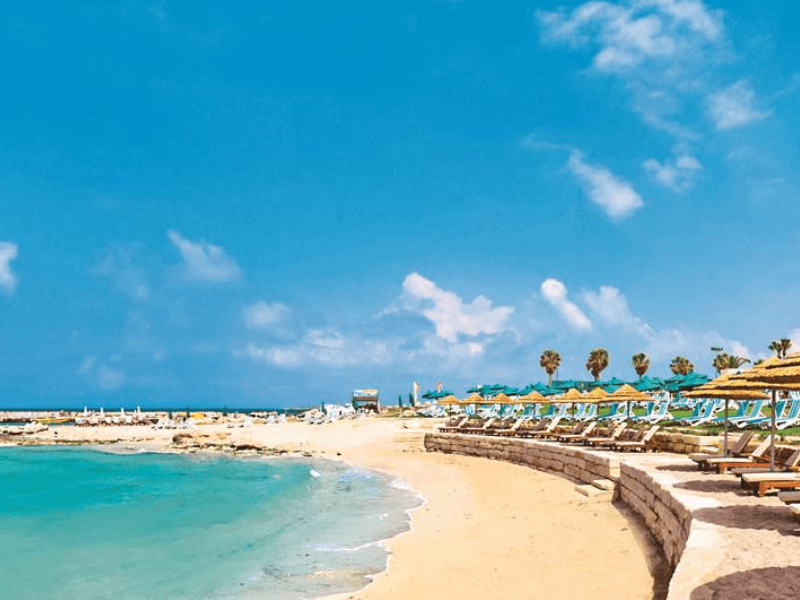
The perfect leisure travel destination is not necessarily the most exotic or the most Instagram-worthy. It is the place that resonates with your current state of mind and your need for renewal. For some, this might mean a bustling city where the energy is infectious; for others, it might be a remote beach where the sound of waves becomes a lullaby. The key is to listen to your intuition rather than defaulting to what’s trending or what others deem “worthwhile.”
Consider destinations that offer a blend of comfort and novelty. A place that feels familiar enough to ease you into relaxation but foreign enough to spark curiosity. Coastal towns, mountain retreats, small villages, and even your own hometown can become the setting for a meaningful leisure trip. The goal is not to escape reality, but to find a version of it that allows you to breathe, reflect, and reconnect.
If you’re unsure where to start, ask yourself: Where do I feel most like myself? Is it in the quiet of a forest, the hum of a café in a foreign city, or the vast openness of a desert? Let that answer guide your choice. And remember, the most transformative travel experiences often happen closer to home than we imagine.
The Art of Mindful Wandering: How to Travel with Presence
Leisure travel is not just about going somewhere; it is about arriving somewhere—in a new place, in a new state of mind, and in a deeper relationship with yourself. The art of mindful wandering is about moving through the world with intention, curiosity, and openness. It is about engaging with your surroundings in a way that feels authentic and nourishing, rather than performative or extractive. This approach requires a shift in mindset: from tourist to traveler, from consumer to participant.
Engaging with the Local Fabric
One of the most rewarding aspects of leisure travel is the opportunity to engage with the local culture in a meaningful way. This goes beyond taking photos at major landmarks or eating at restaurants listed in guidebooks. True engagement means seeking out the stories, traditions, and rhythms that define a place and its people. It might involve striking up a conversation with a street vendor, joining a local festival, or visiting a market where everything is fresh and unfamiliar. These interactions not only enrich your travel experience but also foster a sense of connection and empathy.
To deepen this engagement, consider the following:
- Learn a few phrases in the local language: Even a simple “hello,” “thank you,” or “where is the bathroom?” can open doors and hearts. Locals often appreciate the effort, and it can lead to unexpected conversations and hospitality.
- Support local businesses: Shop at markets, dine at family-owned restaurants, and choose locally guided tours. Your spending power can make a difference in the community while also giving you a more authentic taste of the place.
- Seek out hidden gems: Ask locals for their favorite spots—their café, their bookstore, their secret viewpoint. These recommendations often lead to the most memorable experiences.
- Be open to changing plans: If you stumble upon a local event or a spontaneous invitation, say yes. Some of the best travel stories begin with a detour.
Traveling Light—Literally and Figuratively
The concept of traveling light extends beyond packing only what fits in a carry-on. It is also about shedding the mental and emotional baggage that weighs you down. Before you embark on your journey, take time to reflect on what you can leave behind: grudges, expectations, the need to be “productive,” or the pressure to perform. Travel is a chance to reinvent yourself, if only for a short while. Leave space in your luggage—and in your mind—for the new, the unexpected, and the unfamiliar.
This mindset also applies to your digital life. Consider setting boundaries with technology during your trip. Designate specific times to check emails or scroll through social media, and allow yourself to be fully present for the rest of the time. Turn off push notifications, leave your phone in your bag during meals, and resist the urge to document every moment. The goal is to experience the journey with all your senses, not just through the lens of a camera or the filter of a screen.
Overcoming the Guilt of Leisure: Why Rest Is an Act of Courage
For many, the biggest hurdle to embracing leisure travel is not logistical but emotional. In a culture that equates self-worth with productivity, taking time off can feel indulgent, even selfish. There is a pervasive narrative that rest is for the weak, that success is measured in hours worked rather than moments savored. This guilt is particularly acute for those who are naturally driven, ambitious, or in high-pressure careers. Yet, the truth is that rest is not a luxury—it is a biological and psychological necessity. Without it, creativity stagnates, relationships suffer, and burnout looms.
Leisure travel is one of the most powerful ways to reclaim rest as a form of resistance. It is a declaration that you are more than your output, that you deserve joy not as a reward for hard work but as a fundamental part of being human. This mindset shift begins with reframing leisure as an investment in your well-being, your relationships, and your long-term productivity. When you return from a trip feeling refreshed, inspired, and more present, you bring that energy back into your daily life. You become more efficient, more creative, and more resilient—not in spite of taking time off, but because of it.
Reframing Productivity and Leisure
Productivity culture often frames leisure as a break from “real work,” but this binary is misleading. True productivity is not about constant motion; it is about sustainable energy, focus, and creativity. Leisure travel feeds all three. It sharpens your ability to observe, to adapt, and to think outside the box—skills that are invaluable in any profession. Moreover, it reminds you that life is not just about achieving goals; it is also about experiencing beauty, connection, and wonder along the way.
If guilt still lingers, try this exercise: Before your trip, write a letter to your future self explaining why you need this time. Acknowledge the pressures you’re under, but also affirm your right to rest. When you return, revisit this letter to remind yourself of your intentions. Over time, this practice can help normalize leisure as an essential part of a balanced life.
Sustainable Wanderlust: Traveling with Respect and Responsibility
As leisure travel becomes more accessible, its environmental and cultural impacts grow harder to ignore. The paradox of modern tourism is that while it opens doors to new experiences and perspectives, it can also erode the very qualities that make a destination special: its natural beauty, its local traditions, and its sense of authenticity. Sustainable wanderlust is about traveling in a way that minimizes harm, supports local communities, and preserves the magic of the places we visit for future travelers.
Minimizing Your Environmental Footprint
The travel industry is a significant contributor to carbon emissions, habitat destruction, and waste. While it’s impossible to eliminate your impact entirely, there are ways to reduce it meaningfully:
- Choose eco-friendly transportation: Opt for trains over planes when possible, or at least book non-stop flights to reduce your carbon footprint. Consider carbon offset programs if you must fly, and look for airlines or hotels that prioritize sustainability.
- Stay in locally owned accommodations: Large hotel chains often contribute less to the local economy and have a bigger environmental impact than family-run guesthouses, eco-lodges, or homestays. Platforms like Airbnb can be part of this equation if you prioritize hosts who live locally and follow sustainable practices.
- Pack with intention: Bring reusable items like water bottles, utensils, and shopping bags to avoid single-use plastics. Choose versatile, durable clothing and pack light to reduce your luggage’s carbon footprint during transport.
- Respect natural habitats: Follow Leave No Trace principles in parks and natural areas. Stay on marked trails, avoid disturbing wildlife, and never leave trash behind. If you’re visiting a beach, opt for reef-safe sunscreen to protect marine life.
Cultural Sensitivity and Ethical Tourism
Respecting local cultures is just as important as protecting the environment. Ethical tourism means engaging with destinations in a way that uplifts rather than exploits. This involves being mindful of your impact on local traditions, economies, and communities. For example:
- Dress appropriately: Research local dress codes and cultural norms to avoid inadvertently offending locals. In some places, modest clothing is expected, while in others, it may be a matter of respect for religious sites.
- Avoid exploitative activities: Steer clear of tours or attractions that involve animal cruelty, such as elephant rides or tiger interactions. Support sanctuaries that prioritize animal welfare over profit.
- Ask before photographing people: Not everyone wants to be a subject in your travel photos. Always ask for consent, and be mindful of the context in which you’re taking pictures.
- Support fair trade and ethical businesses: Seek out cooperatives, fair trade shops, and businesses that give back to the community. This ensures that your spending power benefits the people who call the destination home.
Sustainable wanderlust is not about perfection; it is about awareness and intention. Even small choices can make a difference when multiplied across millions of travelers. By traveling responsibly, you honor the places you visit and help ensure they remain vibrant and welcoming for generations to come.
Returning Home: Carrying the Spirit of Leisure Travel Forward
The end of a leisure trip is not the end of the journey; it is the beginning of integrating the lessons, insights, and renewed energy into your daily life. Many travelers experience a phenomenon known as “post-vacation blues,” where the return to routine feels jarring after the freedom and novelty of travel. To mitigate this, it’s important to carry the spirit of your journey with you long after you’ve unpacked your bags.
Preserving the Magic of Your Trip
The memories and insights from your travels deserve to live on beyond your time away. Here are some ways to extend that sense of wonder and presence:
- Create a travel journal: Document your experiences, thoughts, and feelings in a journal. Include not just the highlights, but also the small, quiet moments that resonated with you. Revisit your entries during tough times to reconnect with the joy and perspective you found on your journey.
- Bring home souvenirs with meaning: Instead of trinkets that will gather dust, choose items that evoke a memory or support a local artisan. A piece of artwork, a handmade textile, or even a recipe from a meal you enjoyed can serve as a tangible reminder of your trip.
- Practice gratitude: Take time to reflect on what you’re grateful for from your travels. It could be the kindness of a stranger, the beauty of a landscape, or the way a particular place made you feel alive. Gratitude shifts your focus from what’s missing in your daily life to what’s already abundant.
Applying Travel Lessons to Everyday Life
Travel has a way of revealing truths about ourselves that we might not see at home. Perhaps you discovered a love for slow mornings, a passion for a particular art form, or a newfound appreciation for solitude. Whatever it is, bring that insight back with you and find ways to incorporate it into your routine. For example:
- If you thrived in a slower pace during your trip, carve out time each week for a “mini retreat”—whether it’s an hour in a café with a book or a walk in a nearby park.
- If you enjoyed the simplicity of local cuisine, try cooking one new recipe from your destination each month.
- If you felt more creative or inspired while traveling, set aside a regular “creative hour” where you explore a hobby or project without pressure.
Leisure travel is not just an escape; it is a catalyst for change. It reminds us that life can be lived with intention, curiosity, and joy—not just efficiency. By carrying these lessons home, you transform your trip from a temporary respite into a lasting shift in perspective.
Wanderlust as a Way of Life: Making Leisure Travel a Habit
For those who catch the travel bug, leisure travel can evolve from a rare indulgence into a way of life. This doesn’t mean jet-setting around the world constantly; it means making space for travel in a way that aligns with your resources, your values, and your rhythm. The key is to approach it with the same intentionality you apply to other meaningful habits—whether that’s exercise, meditation, or spending time with loved ones.
Building a Sustainable Travel Practice
Incorporating leisure travel into your life doesn’t have to be overwhelming. Start small and build from there. Here are some ideas to make travel a regular part of your life:
- Take micro-adventures: You don’t need to book a two-week trip to feel the benefits of travel. Explore nearby towns, stay in a cozy cabin for a weekend, or take a day trip to a place you’ve never been. The goal is to break the routine without the pressure of a long journey.
- Use weekends strategically: If extended trips feel daunting, plan a long weekend getaway every few months. Choose destinations within a few hours’ travel time to minimize stress and maximize relaxation.
- Travel during off-peak times: Shoulder seasons, weekdays, and even off-hours (like early mornings or late evenings) can make travel more affordable and less crowded. This allows you to experience a place more authentically.
- Join a travel club or loyalty program: If you travel frequently, consider joining a program that offers perks like upgrades, discounts, or points toward future trips. This can make travel more accessible and enjoyable over time.
Making Travel a Priority
The biggest obstacle to making leisure travel a habit is often not logistics but mindset. In a world that glorifies busyness, it can be hard to justify taking time off when there are always other demands vying for your attention. The solution is to treat travel as a non-negotiable part of your well-being, just like eating well or exercising. This might mean scheduling trips months in advance, setting aside a travel fund, or even blocking off time on your calendar specifically for rest and exploration.
It also helps to reframe travel as an investment—in your happiness, your health, and your creativity. When you view it as essential rather than optional, it becomes easier to make it a priority. Start by setting a goal, whether it’s one overnight trip per year or a longer journey every two years. Then, work backward to plan the details, ensuring that your travel goals align with your budget, your schedule, and your personal needs.
Leisure travel, when approached with intention and respect, has the power to transform not just your vacations, but your life. It teaches you to slow down, to savor, and to find joy in the present moment. In a world that often feels like it’s moving too fast, that lesson is invaluable. So pack your bags—not just with clothes, but with an open heart and a curious mind. The world is waiting, and so are you.
More Stories
Romantic Escapes: Where Leisure Travel Meets Unforgettable Moments
Exploring the World at Leisure: Unforgettable Travel Adventures Just for You
Whispers of Serenity: Discovering Peaceful Retreats