

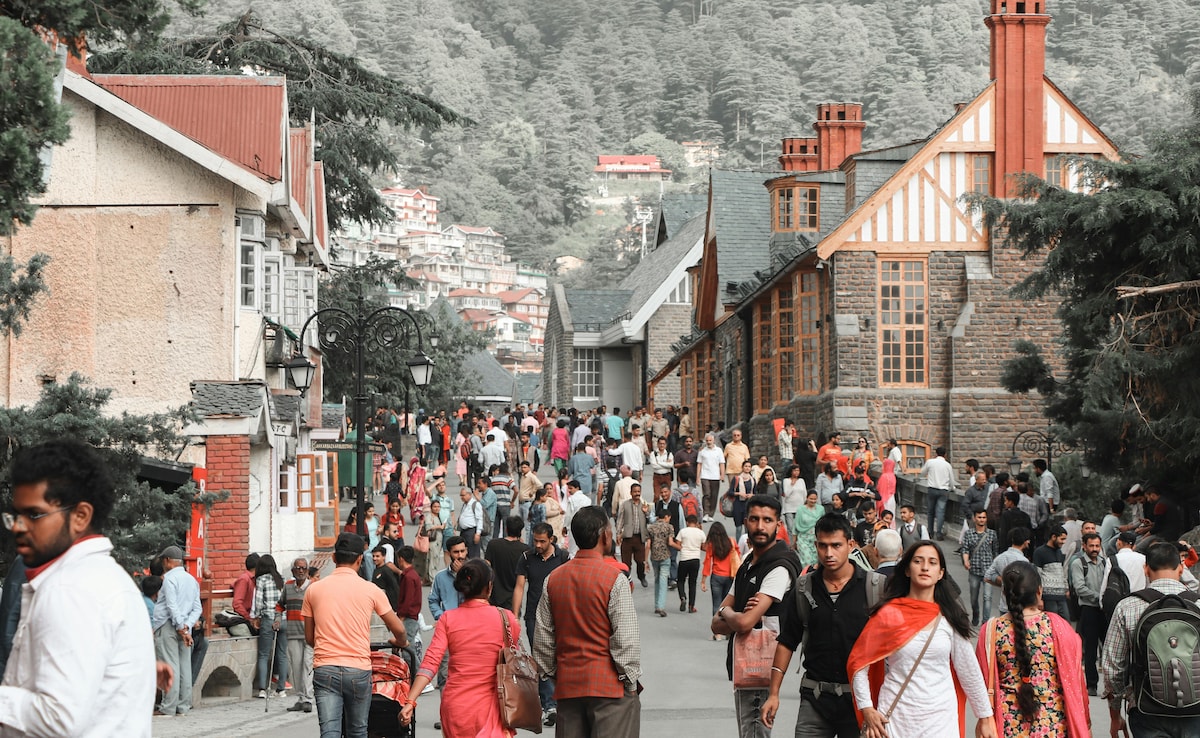


Savoring the Heritage: Unveiling the Timeless Traditions of Our Local Communities
Every local community carries within it a rich tapestry of traditions, stories, and practices that have been passed down through generations. These traditions are not merely relics of the past; they are living expressions of identity, resilience, and shared values. Whether through festivals, culinary customs, or craftsmanship, these practices connect us to our ancestors and shape the unique character of our neighborhoods. In this article, we explore the significance of local traditions and how they continue to thrive in modern times.
The Heart of Community Identity
Traditions serve as the backbone of a community’s identity, acting as a bridge between the past and the present. They provide a sense of belonging and continuity, reminding residents of their shared history and cultural heritage. For example, many towns celebrate annual festivals that honor local legends, historical events, or agricultural cycles. These events are not just occasions for celebration; they are opportunities to reinforce communal bonds and instill pride in one’s roots.
Consider the vibrant Diwali celebrations in India or the colorful Carnaval in Brazil—both are deeply rooted in tradition yet evolve with each generation. Similarly, smaller communities might host unique festivals like harvest fairs or storytelling evenings, where elders pass down oral histories to younger members. These practices ensure that the essence of the community remains intact, even as the world around it changes.
Culinary Traditions: A Feast for the Senses
Food is one of the most powerful ways to experience a community’s traditions. Local culinary practices often reflect the region’s history, climate, and available resources. From the spicy curries of Thailand to the hearty stews of Ireland, each dish tells a story of migration, trade, and cultural exchange. In many cultures, specific foods are tied to rituals or seasons, making them an integral part of communal life.
For instance, in Mexico, tamales are not just a dish but a symbol of family and tradition, often prepared collectively during holidays. In Japan, the art of making mochi during the New Year represents renewal and prosperity. These culinary traditions are more than just recipes—they are living practices that bring people together, fostering connections across generations.
Visiting local markets or participating in cooking workshops can offer a deeper appreciation for these traditions. The act of preparing and sharing food becomes a ritual in itself, reinforcing the values of hospitality, generosity, and cultural pride.
Craftsmanship and Artisan Skills
Handcrafted traditions are another vital aspect of local heritage. From pottery and weaving to woodcarving and metalwork, artisan skills have been honed over centuries and are often unique to a particular region. These crafts are not just about creating functional items; they are a testament to the creativity, resourcefulness, and cultural expression of a community.
For example, the intricate batik textiles of Indonesia or the delicate porcelain of Meissen, Germany, are products of centuries-old techniques. In many communities, these crafts are still practiced today, though they face challenges from mass production and globalization. Supporting local artisans helps preserve these traditions and ensures they are not lost to time.
Workshops and masterclasses can be a great way to learn these skills firsthand. Whether it’s weaving a basket, painting a traditional mask, or forging a piece of jewelry, engaging in these crafts fosters a deeper connection to the community’s artistic heritage.
Music, Dance, and Oral Traditions
Music and dance are universal languages that transcend boundaries, but they also serve as powerful vessels for local traditions. Folk songs often narrate historical events or mythical tales, while traditional dances embody the rhythms and movements of a community’s ancestors. These art forms are deeply intertwined with cultural identity and are often performed during festivals, weddings, or religious ceremonies.
For instance, flamenco in Spain, hula in Hawaii, and the ceilidh dances of Scotland are all expressions of their respective cultures. Similarly, oral traditions—such as storytelling, proverbs, and riddles—play a crucial role in preserving history and values. Elders in many communities act as custodians of these stories, ensuring they are passed down to younger generations.
Participating in or attending local performances can be a joyful way to engage with these traditions. Whether it’s clapping along to a folk song, learning a traditional dance step, or listening to a griot’s tale, these experiences create lasting memories and strengthen communal ties.
Preserving Traditions in a Modern World
While traditions are enduring, they are not immune to the pressures of modernization. Globalization, urbanization, and the fast pace of life can dilute the significance of local practices. However, many communities are taking proactive steps to safeguard their heritage through education, documentation, and cultural initiatives.
Schools and community centers often organize programs to teach traditional skills, such as cooking classes, craft workshops, or language lessons. Museums and cultural organizations document oral histories, photographs, and artifacts to ensure they are preserved for future generations. Additionally, social media and digital platforms have become tools for sharing traditions with a wider audience, sparking renewed interest in cultural practices.
Individuals can also play a role in preserving traditions by actively participating in local events, supporting artisan markets, and sharing stories with younger family members. Small actions, when multiplied across a community, can have a significant impact in keeping traditions alive.
Conclusion: A Legacy Worth Savoring
Traditions are the soul of a community—they shape its identity, foster connections, and provide a sense of continuity in an ever-changing world. By embracing and celebrating these practices, we honor the past while enriching the present. Whether through food, craft, music, or storytelling, traditions offer a way to reconnect with our roots and share our heritage with future generations.
As we savor the flavors, sounds, and stories of our local communities, we not only preserve our cultural legacy but also create a shared future built on respect, creativity, and unity. Let us cherish these timeless traditions and ensure they continue to thrive for years to come.
More Stories
Rediscovering Roots: A Journey Through Timeless Heritage Tours
Embark on a Journey: Unveiling the World Through Cultural Experiences
Lost in Tradition: A Journey Through Unforgettable Cultural Experiences