



Escape to Serenity: Unwinding Through Relaxing Journeys
In today’s fast-paced world, finding moments of peace can feel like a luxury. Between work deadlines, family responsibilities, and the constant buzz of digital life, our minds and bodies often crave a break. That’s where the magic of a relaxing journey comes in. Whether it’s a weekend getaway, a solo retreat, or a planned vacation, stepping away from the daily grind can restore balance and rejuvenate the spirit. This guide explores how to craft the perfect escape, blending tranquility with meaningful experiences to leave you feeling refreshed and renewed.
The Art of Choosing Your Ideal Retreat
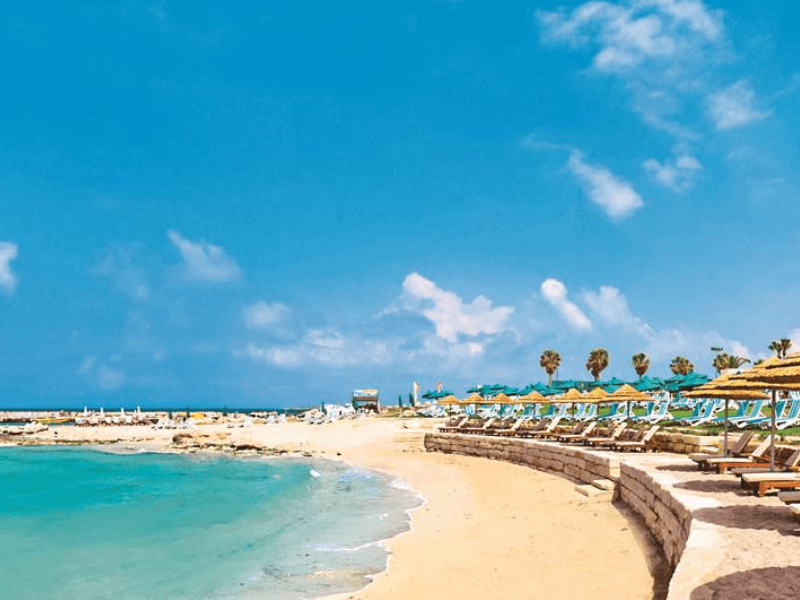
Not all escapes are created equal. The key to a truly relaxing journey lies in selecting a destination and experience that aligns with your personal needs. Start by asking yourself what kind of relaxation you seek. Do you long for the sound of ocean waves, the rustle of leaves in a forest, or the quiet hum of a cozy cabin? Maybe you prefer the cultural richness of a historic town or the simplicity of a lakeside retreat. Your ideal escape should feel like a natural extension of your desires, offering an environment where you can disconnect from stressors and reconnect with yourself.
Consider the following factors when planning your retreat:
- Location: Coastal areas, mountain retreats, or urban escapes each offer unique benefits. Coastal spots often promote calm through the rhythmic sound of waves, while forests provide a therapeutic connection to nature. Urban escapes might include spa cities or wellness-focused districts.
- Duration: Even a short weekend getaway can work wonders. A two-to-three-day escape allows you to reset without the stress of a prolonged absence. Longer trips, such as week-long vacations, provide deeper immersion and more time to unwind.
- Activities: Think about what activities bring you joy. Gentle hikes, yoga sessions, reading by a fireplace, or even creative pursuits like painting can enhance relaxation. Avoid over-scheduling; the goal is to slow down, not to pack in experiences.
- Budget: Relaxing journeys don’t have to break the bank. Affordable options include local nature reserves, budget-friendly cabins, or off-season travel to popular destinations. Investing in comfort doesn’t always mean spending more—sometimes it’s about choosing wisely.
Nature as Your Sanctuary
Few things rival the restorative power of nature. Studies have shown that spending time outdoors reduces stress, lowers blood pressure, and boosts mood. Whether it’s a secluded beach, a quiet woodland trail, or a mountain viewpoint, immersing yourself in natural beauty can feel like a gentle reset for the mind. Nature doesn’t demand anything from you; it simply offers a space to breathe, reflect, and recharge.
A nature-focused escape might include:
- Morning walks or sunrise hikes to start the day with clarity.
- Meditation or yoga in open spaces, like a park or beach.
- Photography or journaling to capture the serenity around you.
- Simply sitting under a tree or by a lake, observing the world without urgency.
The beauty of natural escapes is their accessibility. You don’t need to travel far to find solace—sometimes a local park or garden can serve as the perfect retreat. The goal is to surround yourself with elements that soothe the senses and quiet the mind.
Cultural and Wellness Retreats: A Blend of Enrichment and Relaxation
For those who find peace in exploration, cultural and wellness retreats offer a harmonious balance. These journeys combine relaxation with enrichment, allowing you to unwind while engaging in meaningful experiences. Imagine attending a silent meditation retreat, participating in a pottery workshop in a scenic village, or enjoying a spa weekend infused with local traditions. Such trips encourage personal growth while nurturing tranquility.
Popular wellness retreat options include:
- Spa Retreats: Indulge in massages, hydrotherapy, and holistic treatments designed to melt away stress.
- Yoga and Meditation Retreats: Join guided sessions in serene settings, often accompanied by healthy meals and mindfulness practices.
- Cultural Immersions: Visit destinations known for their art, music, or historical significance, allowing you to absorb new perspectives while relaxing.
- Digital Detox Retreats: Unplug from technology in a supportive environment, fostering deeper connections with yourself and others.
The beauty of these retreats is that they provide structure without rigidity. You’re encouraged to participate as much or as little as you feel comfortable, ensuring that relaxation remains at the heart of the experience.
The Power of Slow Travel
In a culture that often glorifies constant movement and productivity, slow travel offers a refreshing alternative. Instead of rushing from one attraction to the next, slow travel encourages a mindful approach to exploration. It’s about savoring each moment, whether that means lingering over a cup of coffee in a charming café or taking a leisurely stroll through a quaint neighborhood. This method fosters a deeper connection to your surroundings and allows you to absorb the essence of a place at your own pace.
To embrace slow travel, consider these tips:
- Limit Your Itinerary: Choose one or two key experiences per day and leave plenty of unscheduled time.
- Stay in One Place: Renting a small apartment, guesthouse, or even a boutique hotel allows you to become part of the local rhythm.
- Engage with Locals: Strike up conversations with residents, visit local markets, and dine at family-owned restaurants to gain authentic insights.
- Prioritize Comfort: Opt for accommodations that feel like home, whether that’s a cozy cottage or a well-appointed apartment.
The beauty of slow travel is that it transforms a journey from a checklist of sights into a deeply personal experience. It’s less about what you do and more about how you feel along the way.
Solo vs. Group Retreats: Which Is Right for You?
Deciding whether to embark on a solo journey or join a group retreat is a personal choice that depends on your comfort level and intentions. Solo retreats offer unparalleled freedom and self-discovery. They allow you to set your own pace, follow your instincts, and engage in activities purely for your own enjoyment. On the other hand, group retreats provide camaraderie and shared experiences, which can be especially comforting for those who feel isolated or seek inspiration from others.
Solo retreats are ideal for:
- Those who want to recharge in solitude and reconnect with themselves.
- Travelers who enjoy spontaneity and the flexibility to change plans on a whim.
- Individuals seeking personal growth through introspection and self-guided exploration.
Group retreats shine when:
- You thrive in social settings and enjoy shared activities or discussions.
- You’re looking for a structured experience with built-in support and guidance.
- You’re new to travel and prefer the reassurance of a curated itinerary.
Ultimately, both options can lead to profound relaxation and renewal. The choice comes down to what resonates most with your personality and current needs.
Creating Your Own Relaxing Journey: Practical Tips
Planning a relaxing journey doesn’t have to be complicated. With a few thoughtful steps, you can design an escape that feels tailor-made for your well-being. Start by setting clear intentions for your trip. Are you seeking solitude, adventure, or a mix of both? Once you’ve defined your goals, focus on the logistics that will support them. This might include choosing accommodations that prioritize comfort, selecting destinations with minimal distractions, and packing light to avoid unnecessary stress.
Here’s a simple checklist to guide your planning:
- Research Destinations: Look for places known for their tranquility, such as small coastal towns, countryside villages, or wellness resorts.
- Book in Advance: Secure your accommodations and any key activities early to avoid last-minute stress.
- Prepare Mentally: Set boundaries with work and social obligations before you leave to fully immerse yourself in the experience.
- Pack Mindfully: Bring only what you need, focusing on comfort and versatility. Leave room for any items you might pick up along the way.
- Plan for Downtime: Schedule blocks of free time into your itinerary to rest, reflect, or simply do nothing at all.
The more intentional you are in your planning, the more seamless and enjoyable your journey will be.
The Ripple Effect of a Relaxing Journey
While the immediate benefits of a relaxing journey—such as reduced stress and improved mood—are well-known, the long-term effects can be equally transformative. Returning from a peaceful escape often leaves you with a renewed sense of clarity and purpose. You may find yourself approaching daily challenges with greater patience, creativity, and resilience. Additionally, the memories and insights gained from your journey can serve as a touchstone during difficult times, reminding you of the importance of self-care and balance.
Relaxing journeys also have a way of inspiring others. Sharing your experiences can encourage friends or family to prioritize their own well-being, creating a ripple effect of tranquility. Whether it’s through storytelling, photos, or simply modeling a healthier work-life balance, your escape can motivate those around you to seek their own moments of serenity.
In a world that often measures success by productivity and constant motion, the act of stepping away is a radical form of self-respect. It’s a declaration that your well-being matters, and that true productivity begins with a clear, rested mind. By embracing the art of the relaxing journey, you’re not just escaping from life—you’re returning to it with renewed energy, perspective, and joy.
More Stories
Revive, Recharge, Reconnect: Secluded Escape Routes to Inner Peace
Serene Escapes: Your Guide to Blissful Peaceful Getaways
Journeys to Inner Peace: Discovering Tranquility in Every Travel Destination