

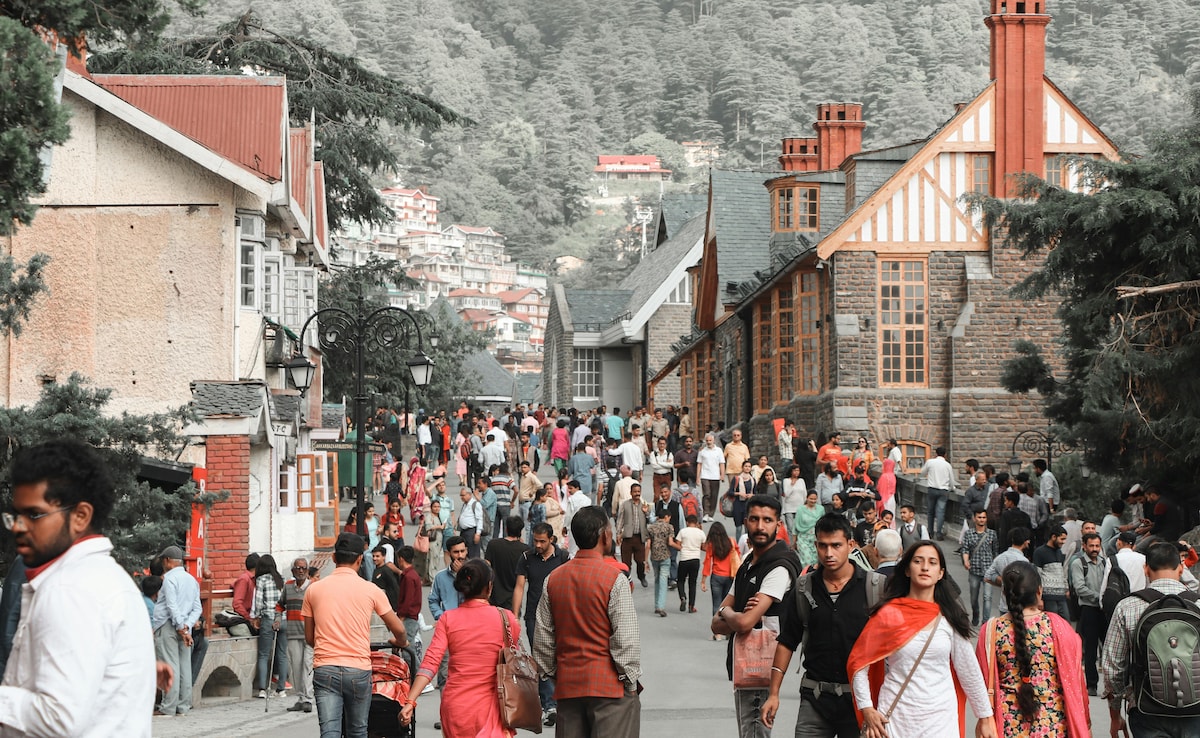


Local traditions are the threads that weave the fabric of community identity, binding generations together through shared stories and rituals. They are not merely habits or customs but living expressions of culture that define what it means to belong. Whether it is the warmth of a family recipe passed down through decades or the vibrant festivals that light up a small town every summer, these traditions carry the heartbeat of home. In a world that often feels fast and disconnected, they remind us of the enduring power of connection and continuity.
This exploration is about more than just nostalgia. It is about recognizing the quiet magic in the ordinary moments that shape our lives. Local traditions are the cornerstones of personal and collective memory, offering comfort, purpose, and a sense of place. They turn houses into homes and neighborhoods into communities, creating spaces where people feel seen, valued, and rooted. By understanding and embracing these traditions, we not only preserve the past but also enrich our present and future.
Concept & Overview
At its core, a local tradition is a practice or belief rooted in a specific community, passed from one generation to the next. These traditions can take countless forms, from culinary customs and craft techniques to seasonal celebrations and communal rituals. They are not static but evolve over time, adapting to changing circumstances while retaining their essential character. This dynamic nature allows traditions to remain relevant and meaningful, serving as bridges between the past and the future.
What makes local traditions particularly special is their ability to foster a sense of belonging. They create shared experiences that strengthen social bonds, giving individuals a sense of identity and purpose. Whether it is a weekly farmers market, a yearly harvest festival, or a daily ritual like afternoon tea, these traditions provide structure and rhythm to life. They offer moments of reflection, gratitude, and joy, reminding us of what truly matters in our fast-paced world.
Moreover, local traditions are a testament to human creativity and resilience. They reflect the values, struggles, and aspirations of the people who created them, offering insights into the cultural landscape of a place. By engaging with these traditions, we gain a deeper understanding of the world around us and our place within it. They encourage us to slow down, observe, and appreciate the beauty in everyday life.
Key Features & Highlights
- Cultural Identity: Local traditions are the building blocks of cultural identity, shaping how communities perceive themselves and are perceived by others. They provide a sense of continuity and pride, fostering a shared narrative that binds people together.
- Community Bonding: Traditions create opportunities for people to come together, strengthening social ties and fostering a sense of belonging. Whether through festivals, rituals, or communal activities, they encourage collaboration and mutual support.
- Intergenerational Connection: These practices bridge the gap between generations, allowing older members to share their wisdom and younger members to learn from their experiences. This exchange enriches both individual and collective memory.
- Adaptability: While rooted in history, local traditions are not rigid. They adapt to changing times, incorporating new elements or interpretations while preserving their core essence. This flexibility ensures their continued relevance and appeal.
- Sensory Experiences: Traditions often engage multiple senses, from the taste of traditional food to the sound of music and the sight of vibrant decorations. These sensory experiences create lasting memories and deepen emotional connections.
- Economic Impact: Many local traditions have a tangible economic benefit, supporting small businesses, artisans, and local farmers. Festivals and markets, for example, can boost tourism and revitalize communities.
Frequently Asked Questions / Pros & Cons
What exactly defines a local tradition?
A local tradition is a practice, ritual, or belief that is specific to a particular community or region. It is often passed down through generations and reflects the values, history, and identity of that community. Unlike global customs, local traditions are deeply rooted in the local culture and environment, making them unique to their place of origin.
Why are local traditions important in today’s fast-paced world?
In a world dominated by technology and rapid change, local traditions offer a sense of stability and continuity. They provide a connection to the past, grounding individuals in their cultural heritage while offering moments of reflection and connection. They also foster community spirit, combating feelings of isolation and alienation.
What are the challenges in preserving local traditions?
One of the biggest challenges is the risk of traditions fading away due to modernization, urbanization, or globalization. Younger generations may be less interested in participating, or traditions may be diluted as they are adapted to new contexts. Additionally, economic pressures can lead to the loss of traditional livelihoods, such as crafts or farming, which are integral to many traditions.
Pros of preserving local traditions:
- Enhances cultural diversity and richness.
- Strengthens community bonds and social cohesion.
- Provides a sense of identity and belonging.
- Supports local economies and small businesses.
Cons of preserving local traditions:
- Can be resistant to change or innovation.
- May exclude those who do not conform to traditional norms.
- Sometimes tied to outdated or harmful practices that need updating.
How can individuals get involved in local traditions?
Getting involved in local traditions can start with small steps, such as attending community events, trying traditional foods, or learning a craft. Engaging with elders and participating in rituals or festivals are great ways to immerse oneself in the tradition. Volunteering with local cultural organizations or documenting traditions can also help preserve them for future generations.
Practical Guidance & Solutions
Embracing and preserving local traditions does not have to be overwhelming. Here are some actionable steps to help you reconnect with the heart of your community:
- Start small: Begin by exploring traditions in your immediate environment. Attend a local festival, visit a farmers market, or try cooking a dish that is specific to your region. These small steps can open doors to deeper engagement.
- Engage with elders: Older generations are often the keepers of local traditions. Spend time with them, listen to their stories, and ask questions about their experiences. Their insights can provide a richer understanding of the tradition’s significance.
- Document traditions: If you notice a tradition that resonates with you, consider documenting it. This could be through writing, photography, videography, or even creating a family recipe book. Documentation ensures that the tradition is preserved for future generations.
- Support local artisans: Many traditions are tied to specific crafts or skills. By purchasing handmade goods or attending workshops, you support those who keep these traditions alive while also gaining firsthand experience.
- Encourage participation: Invite friends and family to join you in experiencing local traditions. Whether it is a community potluck or a seasonal celebration, shared experiences strengthen bonds and keep traditions vibrant.
- Adapt traditions mindfully: If a tradition needs to evolve to remain relevant, do so thoughtfully. Involve the community in the process to ensure that changes honor the tradition’s roots while meeting modern needs.
Remember, the goal is not to preserve traditions in amber but to allow them to grow and adapt in ways that continue to provide meaning and connection. By engaging with traditions actively and respectfully, you contribute to the living legacy of your community.
Conclusion
Local traditions are more than just relics of the past. They are living, breathing entities that shape our present and influence our future. They remind us of the beauty in shared experiences, the strength in community, and the importance of staying rooted while reaching for the stars. In a world that often feels fragmented, these traditions offer a sense of home, a place where we can belong and be ourselves.
As you go about your daily life, take a moment to notice the traditions that surround you. Whether it is the aroma of a familiar dish cooking in a neighbor’s kitchen or the sight of a town square decorated for a festival, these moments are opportunities to connect with something greater than yourself. They are the heart of home, pulsing with stories, laughter, and love.
So, let us celebrate these traditions, not just as symbols of the past, but as vital threads in the tapestry of our lives. Let us honor them by participating, preserving, and passing them on. In doing so, we ensure that the magic of home remains alive for generations to come.
More Stories
Rediscovering Roots: A Journey Through Timeless Heritage Tours
Embark on a Journey: Unveiling the World Through Cultural Experiences
Lost in Tradition: A Journey Through Unforgettable Cultural Experiences